.avif)


.png)
.png)


How Long Does A Full Apartment Renovation In New York City Take?
Remodeling in NYC? Familiarize yourself with every aspect of a full apartment renovation timeline.
January 10, 2024
|

How Long Does A Full Apartment Renovation In New York City Take?
Full apartment renovation timelines differ based on the specifics of each individual project and a realistic renovation timeline consists of numerous parts.
Table of contents
- 4-6 Months: Planning
- 4-6 Months: Demo to Completion
- Why Timelines Are Key
- Examples Of Apartment Renovations In NYC
- FAQs On Apartment Renovation Timelines
Inevitably, clients are curious about renovation timelines . One of the first questions we typically get in the consultation process is, “so, how long will this renovation take?” Fair enough.
Our process is generally dictated by the nuances of each respective renovation, and while the timeline for a kitchen renovation and bathroom renovation are a bit easier to ballpark, renovating a full apartment naturally takes more into consideration.
While there is always a range based on the specific work, the renovation timeline for a complete renovation of a three-bedroom, two-bathroom, 1,700-square foot apartment, in which we update every aspect of the space, takes roughly 5-6 months. In addition, 4-6 months worth of planning are typically necessary prior to actually starting demolition and construction. With those two pillars of the timeline in place, let’s break down what the full renovation journey actually entails.
[#Planning]4-6 Months: Planning[#Planning]
The planning phase is especially vital prior to a full renovation of an apartment due to the large amount of moving parts. At Gallery, as a turnkey design-build firm, we take great pride in fully streamlining the renovation process for our clients. The planning phase includes the following:
Planning - Phase 1: Architectural Drawing
Our architects produce the drawings that are filed with the building management companies and later with the New York City Department of Buildings (DOB). All drawings are reviewed with clients prior to submission to ensure any adjustments to the desired floor plan meet expectations.
Planning - Phase 2: All Design Work
We execute all aspects of the apartment renovation, not only from an architectural and space planning perspective, but the aesthetic of the interior design. This means we review all design options with clients, offering contemporary, farmhouse, transitional, or any other preferred style. Having all production members working in tandem up front is a key benefit of working with a design-build firm and ultimately ensures your design is executed exactly the way you envisioned.
Planning - Phase 3: Material Selection & Procurement
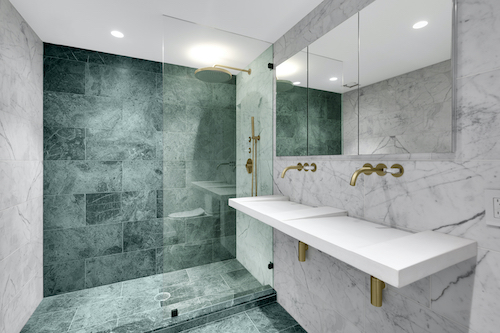
With as much input from the client as desired, we select all finishes and fixtures for the project. This includes all tiles and stones for backsplashes and countertops, custom cabinets and vanities, paint colors, wood for new flooring planks, plumbing fixtures, finishes of all stripes, and any other materials required to complete the entire renovation. Once the selections have been made, we confirm lead times to ensure they align with the production schedule and then procure, warehouse, and handle all finishes. We are brand-agnostic and source materials from wherever is needed to ensure we meet the client’s desired design, including commissioning custom pieces from overseas or local artisans - like the marble bathroom counter slab we had designed for this East Village bathroom renovation.
Planning - Phase 4: Design Renders
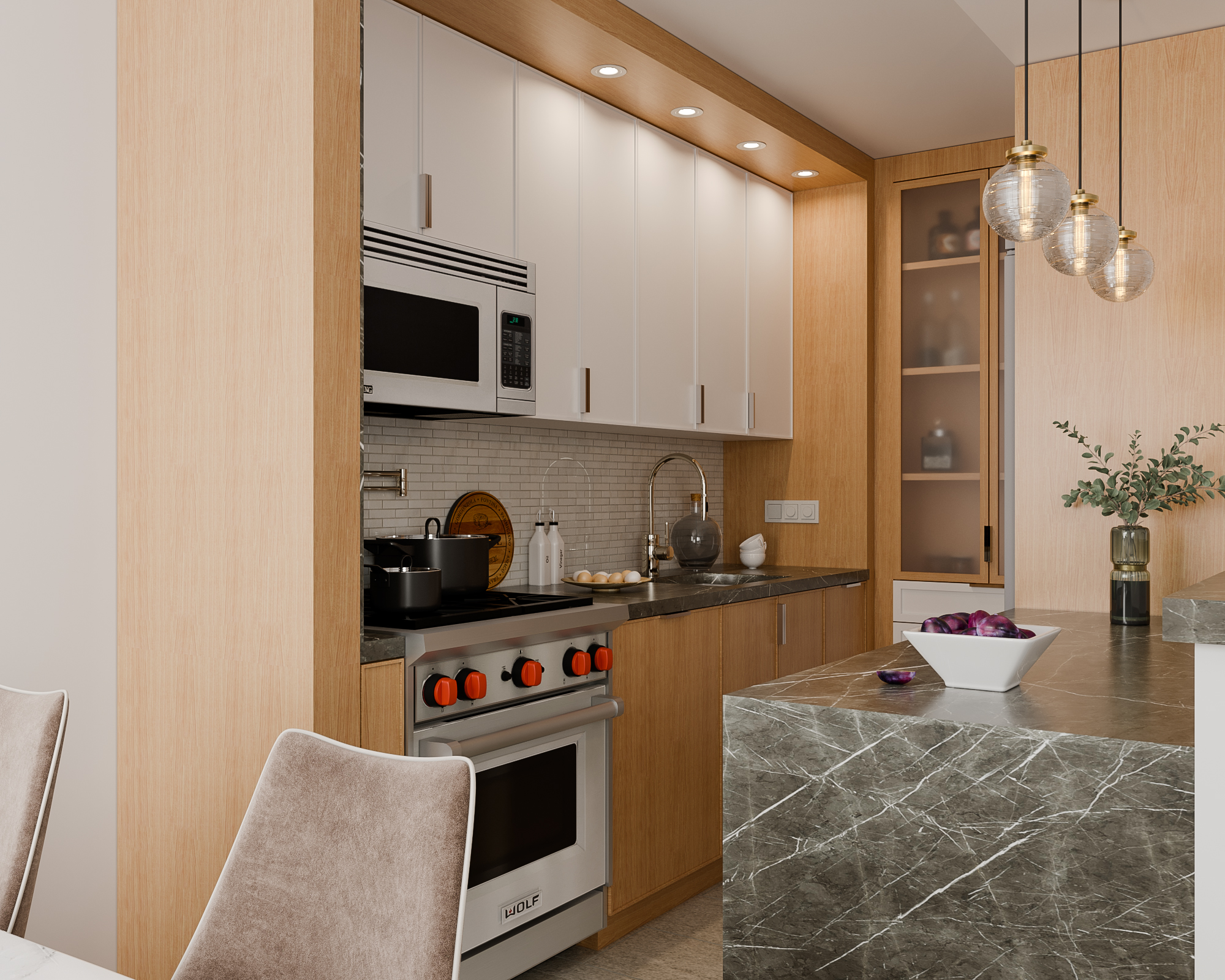
After all materials have been sourced, we create life-like digital renderings of what the renovated space will look like upon completion. This includes every aspect of the design, down to the cabinet color and hardware. These high-end renderings provide a visual accompaniment to the blueprint that guides construction. See an example of a recently-completed kitchen render for a full Manhattan apartment renovation we're currently working on below:
Planning: Building Board Approval Process
Each building has their own process as far as approving renovations to the space, and we handle all the necessary communication with the building’s designated reviewing architect and management company.
Planning: NYC Dept Of Buildings Approval Process
Of course, New York City Department of Buildings has their own approval process and our services include navigating and expediting all city approvals and permitting.
Planning: LPC Approval Process, If Landmarked
If the property is historic, we’ll also need to get the renovation approved by the Landmark Preservation Commission or at the least have LPC issue a certificate of no effect (if there is no exterior work that must meet LPC approval).
Planning: Considerations Across Bedroom Counts
Amidst the extensive apartment renovation process, the planning phase stands as maybe the most pivotal juncture, as meticulous considerations up front pave the way for all following transformative months. As we delve into the intricacies of planning, it's crucial to navigate the nuanced landscape shaped by the varying bedroom counts of apartments, unraveling a tapestry of considerations that harmonize the distinctive needs of two and three-bedroom dwellings alike.
- Expense Dynamics: While the planning duration remains relatively consistent, the expense dynamics vary. Larger apartments typically entail more material and potentially intricate design considerations, leading to a proportionate increase in costs. Our transparent approach ensures that clients are fully informed about the financial implications of their unique project.
- Multi-Use Room Planning: Apartments with varying bedroom counts often introduce multi-use room planning complexities. Ensuring that each room serves its intended purpose while maintaining a cohesive design requires thoughtful consideration. Our design-build firm excels in creating versatile spaces that adapt to the needs of our clients.
- More Rooms? More Approvals: Whether renovating a two or three bedroom apartment, the approval processes with the building board, NYC Department of Buildings, and Landmark Preservation Commission (if applicable) remain consistent. However, the scale and intricacy of larger apartments may require more nuanced communication during these approval phases.
[#Demo]5-6 Months: Transformation From Demo To Completion[#Demo]
Once the design and approval stages are finalized, the transition from demolition to completion marks a significant phase in the comprehensive renovation of an apartment. In our illustration, we consider a thorough renovation encompassing three bedrooms, two bathrooms, a kitchen, and all the flooring across a 1700-square foot apartment, where every facet of the space undergoes a revitalizing update. This also takes into account new electrical wiring and plumbing behind the walls.
Floors & Walls
.jpeg)
The flooring aspect holds substantial weight in a complete apartment overhaul. While refinishing existing floors can be a time-saving and cost-effective choice, many renovations involve the removal and replacement of old planks or tiles. Alternatively, a restoration of original planks is pursued upon request. Simultaneously, wall updates are integral to the process, whether through painting, skim coating, wallpaper installation, or a carefully curated combination of these elements. With two or three bedroom apartments, the additional space and complexity may slightly extend the timeline for floor and wall renovations. Customizations tailored to various distinct bedrooms necessitate precision and attention to detail.
Bathrooms & Kitchens
Bathrooms and kitchens emerge as focal points in numerous renovations, boasting intricate designs and careful architectural considerations. These spaces often undergo modifications to electric and plumbing systems, along with potential floor plan reconfigurations. Factors like wet-over-dry restrictions may influence the placement of plumbing fixtures.
Room Creation & Built-Ins
Optimizing space through the creation of rooms and custom built-ins adds a layer of sophistication to apartment renovations. In smaller spaces, strategic closet additions or transformations into laundry rooms are common. Custom built-ins, such as nooks in kitchens or extra storage in bedrooms, enhance the overall functionality and aesthetic appeal - but also add time to your project. That’s why all customizations are carefully considered during the planning process and timelines are built to reflect those above and beyond intricacies.
City Factors
The confined nature of New York City buildings introduces unique challenges in construction, impacting the overall timeline. Manual removal of debris and adherence to designated construction hours to comply with building regulations contribute to the intricacies of city-centric renovations.
[#Key]Why Timelines Are Key[#Key]
Transparent communication and realistic job timelines are foundational to the success of any renovation project. Our JobTracker project management app facilitates continuous communication, offering a comprehensive view of material deliveries, demo days, and various activities. A realistic timeline, especially during the construction phase, ensures informed decision-making and strengthens trust with clients.
So, how long does a full apartment renovation take? The broad answer is 5-6 months, with 90-120 days of planning.
[#Examples]Examples Of Apartment Renovations In NYC[#Examples]
See some examples or our NYC renovations below with similar timelines:

Manhattan Loft Renovation In Tribeca | 73 Worth St
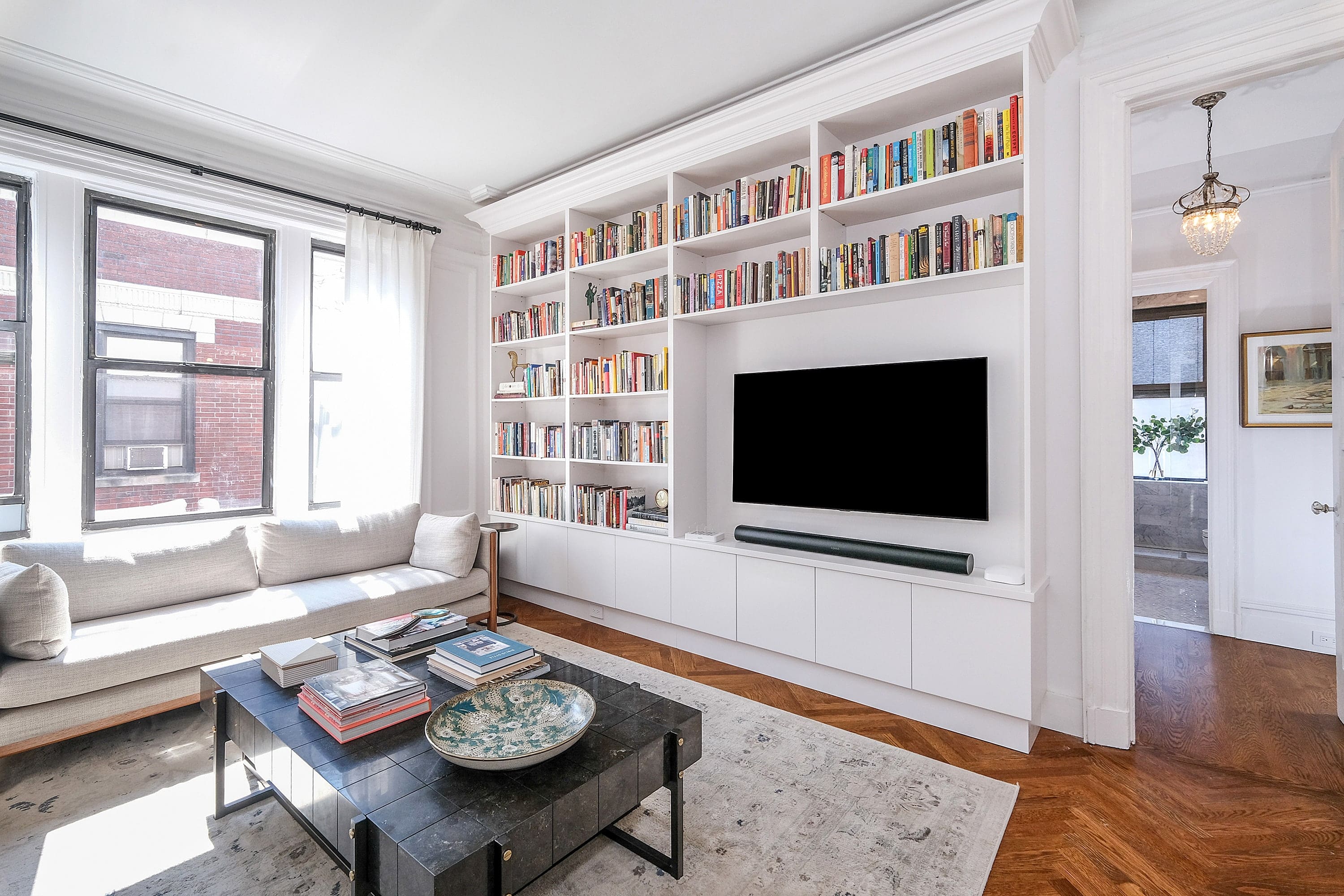
See how we completely refreshed a 2,000-square-foot penthouse with a new kitchen, new bathrooms, new floors and updated lighting via a before and after of the full renovation.
Full Home Renovation Contractors In New York City
Searching for the right design-build firm to do a full apartment renovation in New York City? Our start-to-finish approach ensures a seamless experience, with the highest quality materials, project management, and build. Learn more about Gallery or contact us to see why our New York City apartment renovation and remodeling services are the most mindful choice when considering a residential renovation in Manhattan or Brooklyn.
[#FAQ]Frequently Asked Questions About NYC Apartment Renovation Timelines[#FAQ]
Q: How Long Does A Full Apartment Renovation In NYC Take From Start To Move-In?
A complete renovation of a three-bedroom, two-bathroom apartment in New York City typically takes roughly 10 to 12 months from start to move-in. This breaks down into two distinct phases:
- Four to six months of planning, design, approvals, and permitting,
- Five to six months of construction from demolition through completion.
Both phases are necessary and run largely in sequence, meaning the full timeline is not simply the construction duration but the sum of everything that has to happen before a single wall comes down. For a deeper look at the specific variables that can compress or extend this window, read What Affects The Timeline Of A NYC Renovation Most?
Q: What Happens During The Planning Phase Of An NYC Apartment Renovation?
The planning phase of a full apartment renovation covers architectural drawing and DOB filing preparation, all interior design work including space planning and aesthetic direction, material selection and procurement with lead time coordination, life-like 3D design renderings for client review, and the full board approval and permitting process including building management, the NYC Department of Buildings, and the Landmark Preservation Commission when applicable. At Gallery KBNY, all of these workstreams are managed in-house and run concurrently by the same integrated team, which is one of the primary ways the design-build model compresses the pre-construction phase compared to coordinating separate parties.
Q: How Long Does The Construction Phase Of An NYC Apartment Renovation Take?
For a thorough renovation of a 1,700 square foot, three-bedroom, two-bathroom apartment where every aspect of the space is updated including new electrical wiring and plumbing behind the walls, construction from demolition to completion typically runs five to six months. Scope additions such as custom built-ins, room creations, or HVAC work extend the construction timeline, while lighter scopes may come in at the shorter end of that range. Building work-hour restrictions, elevator reservation windows, and holiday blackouts all affect how many productive hours are available per day and factor into the total construction duration.
Q: How Long Does The Planning Phase Take Before Construction Can Begin?
Four to six months is the standard planning window for a full NYC apartment renovation. This includes the time required to produce architectural drawings, complete the design and material selection process, obtain building board approval, secure NYC Department of Buildings permits, and in the case of landmarked properties, receive clearance from the Landmark Preservation Commission. Because each of these steps involves external parties with their own review timelines, four to six months is realistic even for well-prepared projects. Clients who begin working with a firm before closing on a purchase can often start the planning phase earlier, reducing the gap between closing day and construction start.
Q: Does A Larger Apartment Take Longer To Renovate Than A Smaller One?
Yes, though the planning phase duration stays relatively consistent regardless of bedroom count. What scales with apartment size is the cost, the complexity of material selection and procurement across more rooms, and the construction timeline itself. Larger apartments with multiple bedrooms often introduce multi-use room planning considerations and require more nuanced coordination during the board and DOB approval phases. A two-bedroom renovation and a three-bedroom renovation involve the same approval process structure, but the scale and detail of the documentation and construction scope grow proportionately.
Q: How Do NYC Building Rules Affect The Renovation Timeline?
Significantly. Most Manhattan co-ops and condos limit construction to weekday hours, typically between 8am and 4 or 5pm, which directly caps the number of productive hours available each day. Holiday blackouts, elevator reservation windows, and building-imposed caps on total renovation duration all layer additional constraints onto the construction schedule. In New York City, the physical logistics of construction in a high-rise building also add time that does not exist in other markets: debris must be manually removed, materials must be transported within elevator and service entrance restrictions, and work must be sequenced carefully to avoid disrupting neighbors and building operations. A contractor experienced in NYC co-op and condo renovations builds all of these constraints into the schedule from day one.
Q: How Do I Track Progress During My NYC Apartment Renovation?
At Gallery KBNY, every client has real-time access to their project through the JobTracker platform, which provides daily logs, progress photos, material delivery updates, demolition and construction milestones, and direct communication with the project team. Transparent and continuous communication throughout the renovation ensures clients always know what happened today and what is scheduled next, without needing to be physically present on site. A realistic, clearly communicated timeline established at the start of the project is foundational to the entire experience, and JobTracker keeps that timeline visible and current throughout.
Q: How Does A Design-Build Firm Help Maintain A NYC Renovation Timeline?
A full-service design-build firm maintains timeline by eliminating the coordination gaps that cause delays in traditional renovations. Because architecture, design, permitting, material procurement, and construction are all managed by one integrated team under one contract, there are no handoffs between separate parties where schedule slippage accumulates. Long-lead materials are identified and ordered during the approval phase so they arrive during construction rather than after it. Pre-construction planning surfaces potential site conditions before demolition begins, so unforeseen issues have less opportunity to become timeline disruptions. For a detailed breakdown of the full process from start to finish, read our design-build process overview.
Q: When should I start planning my renovation if I plan to start construction at the beginning of the summer?
Summer renovations in Manhattan are popular and therefore the planning process should begin 6 months before breaking ground. This accounts for the time you will need to find the right team, hire them, and go through the approval process with your building and NYC DOB.
let’s
Design-Build
together

%20Gallery%20KBNY.avif)