

.png)
.png)


Park Slope Renovation General Contractor
You recently purchased a one-of-a-kind home in Park Slope, but the property’s full potential is untapped. Whether your new dream home is a dated townhouse in North Slope that needs a gut renovation or a breathtaking brownstone on President St that needs a more modern touch, there’s always room to improve. See how Gallery KBNY can elevate your space’s potential with our full-service, design-build renovation process.

Top Rated Luxury General Contractor Trusted Throughout Brooklyn


Since striving to exceed the standards for Park Slope renovations is second nature, we’re quite proud to be a consistent recipient of the community Houzz awards in Service and Design. We are equally as proud of the reviews our clients have given, thanks to our client-first approach, attention to detail and personal touch. You won’t find anyone better suited to handle your interior renovation in Brooklyn, whether your home is a co-op or condo, brownstone or townhome, or loft. Your vision is preserved and enhanced with our expertise to create a home that is as gorgeous as it is comfortable and functional.
Park Slope-Specific Renovation Complexities
Like anything truly high-end, a luxury renovation in Park Slope doesn’t come easy. From strict building regulations and navigating co-op board approvals to sourcing premium materials and delivering them without dings, the process requires extensive consideration. Let’s explore how these complexities play out in this priority Brooklyn neighborhood.
Stringent Building Regulations in Park Slope
Historic District Sensitivities
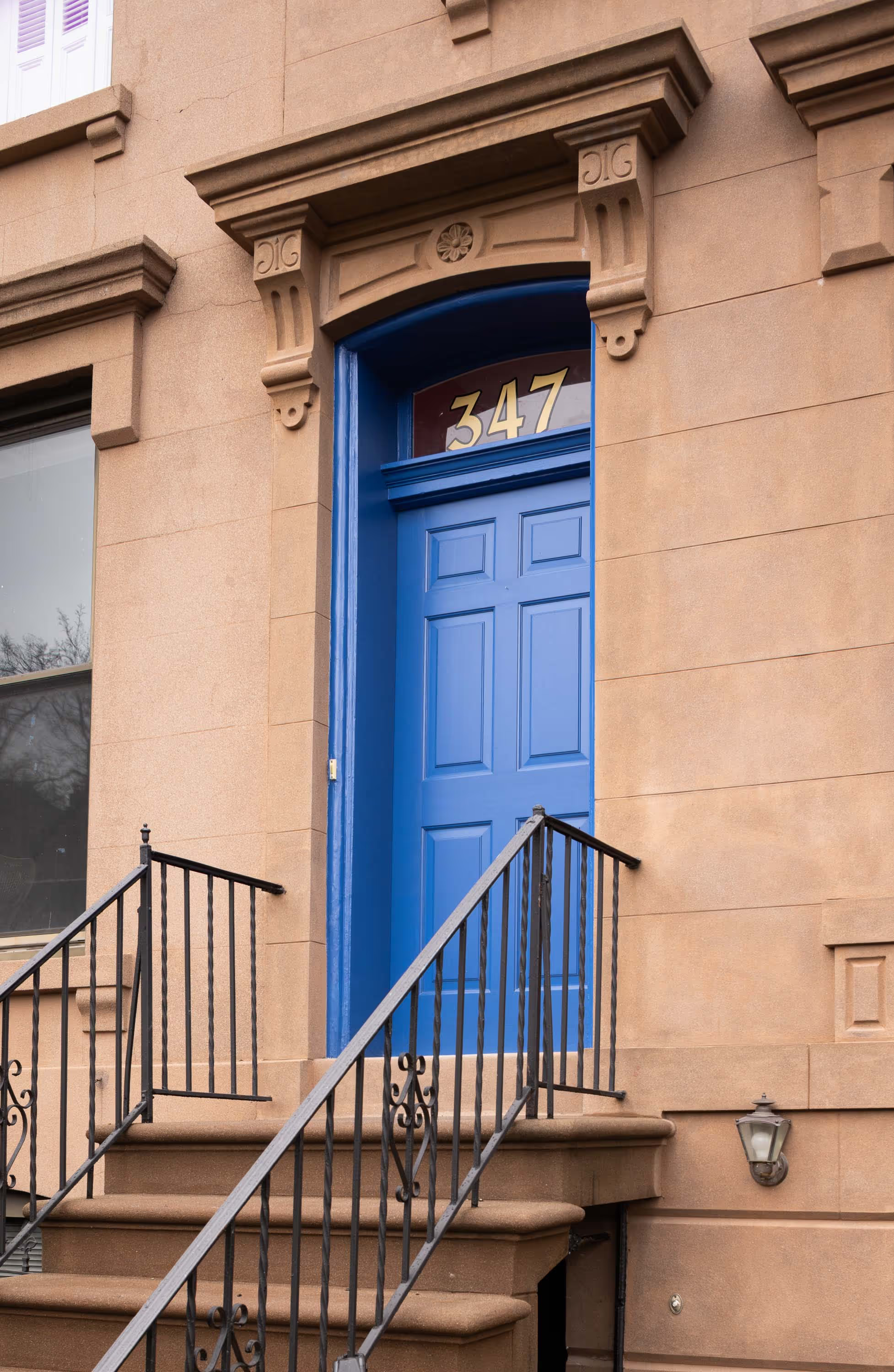
Much of Park Slope is within a designated historic district, meaning any renovation needs to respect the neighborhood’s architectural heritage. This requires earning approvals from the Landmarks Preservation Commission (LPC) that ensure any exterior changes, like updating facades or windows, align with the area’s historic character. While this preserves the charm of the neighborhood, the regulations can limit design choices, particularly when modern elements are desired.
Design and Material Considerations
For luxury renovations, the requirement to use historically accurate materials can be both a challenge and an opportunity. High-end projects often involve custom craftsmanship, from detailed woodwork to period-specific stone, which not only adds to the appeal but also to the timeline and cost.
Permitting Process
Securing permits in Park Slope can be a drawn-out process, especially for more complex projects. Detailed plans, multiple revisions, and compliance with both modern and historical standards are necessary steps that can add months to the timeline.
-fotor-2024010410280-min.avif)
Intricacies of Co-Op and Condo Board Approvals
Thorough Review Processes
If you’re renovating in a co-op or condo building, board approvals can make or break your project. Boards in Park Slope, particularly in older, historic buildings, often take a cautious approach. They’ll want to ensure your plans won’t disrupt the building’s structure or interfere with neighbors. This means providing comprehensive proposals and being prepared for back-and-forth that may require adjustments to the renovations plans.
High-End Features Scrutiny
While luxury upgrades like smart home systems or high-end materials are appealing, boards may have specific rules that limit what can be installed. They may be concerned about changes to plumbing, electrical systems, or even the weight of materials like marble, which could impact the building’s integrity.
Extended Timelines
Getting board approval can take time, as meetings, feedback, and sometimes negotiations are part of the process. This can push back your renovation schedule beyond our initially agreed upon timeline, requiring patience and flexibility.
Challenges of Sourcing and Delivering Premium Materials in a Dense Cityscape
Logistical Hurdles
Park Slope’s charming, tree-lined streets add to the area’s allure, but they can be tricky when getting materials delivered. Narrow roads and parking limitations mean deliveries need to be carefully timed and managed, especially for larger or fragile items like custom cabinetry or luxury stone.
Storage and Staging
With space at a premium, finding room to store or stage materials nearby can be difficult. For high-end renovations, where materials need extra protection, this becomes even more critical, often requiring creative solutions like off-site storage.
Impact on Project Costs
These logistical challenges can add to the overall cost of the renovation. Extra fees for transportation, storage, and handling, along with potential delays, can increase both time and expenses.


Benefits of Working with Gallery For Your Park Slope Renovation
Working with a design-build general contractor is the closest clients get to their initial expectations when renovating in Park Slope. From the rapport and custom-first approach to the cost and timeline, design-build renovations are specifically meant to manage expectations by delivering a system that delivers them up front and executes every time. Benefits of design-build include:
More Streamlined Than Traditional General Contractors
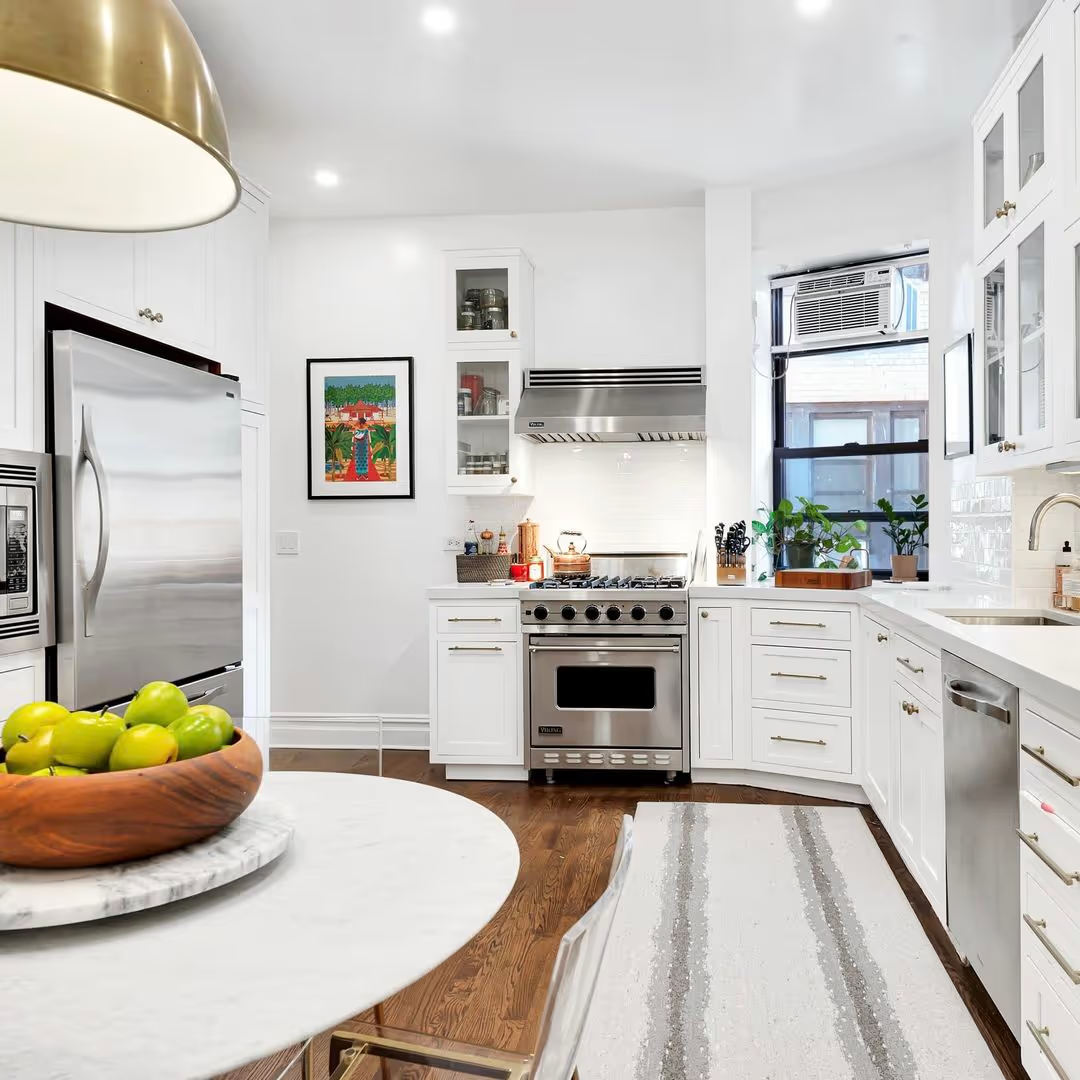
While searching ‘general contractors in Brooklyn’ may be the first route that comes to mind when renovating in NYC, this age-old path to your dream home is not always the straightest. Hiring a traditional design-bid-build general contractor usually requires additional design support you must source and manage yourself, plus complicated permit and approval work most homeowners are unfamiliar with. For more information, read Design-Build Vs General Contractor: What’s The Difference?
More Control And Lower Cost Than Independent Architects
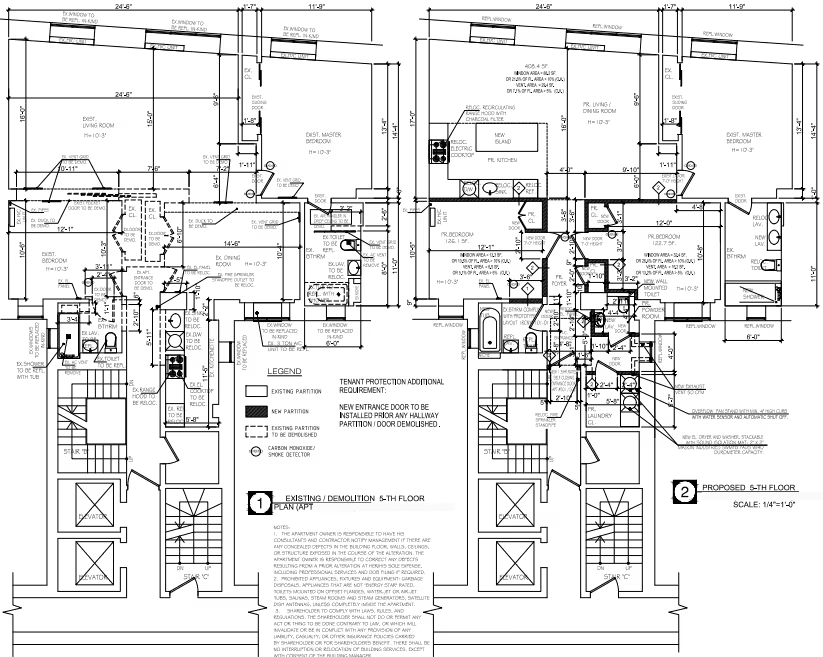
On the opposite end of the spectrum is an independent architect. Hiring an independent architect may result in less work for the client, but this route can also become a burdensome partnership. Since independent architects often act with their own interests in mind, clients get very little input in the design process and wind up paying exorbitant material costs for interior design that may not even suit their style. Plus, since independent architects outsource the construction, you’re often not seeing the full scope of costs until after designs are completed - which could take up to six months in some circumstances. For more information, read What Kind Of Architect Is Best For Your NYC Apartment Renovation?
High-End Accommodations
With access to high-end materials and cutting-edge construction techniques, we specialize in preserving and enhancing the unique architectural details found across Brooklyn’s diverse array of residential building types.
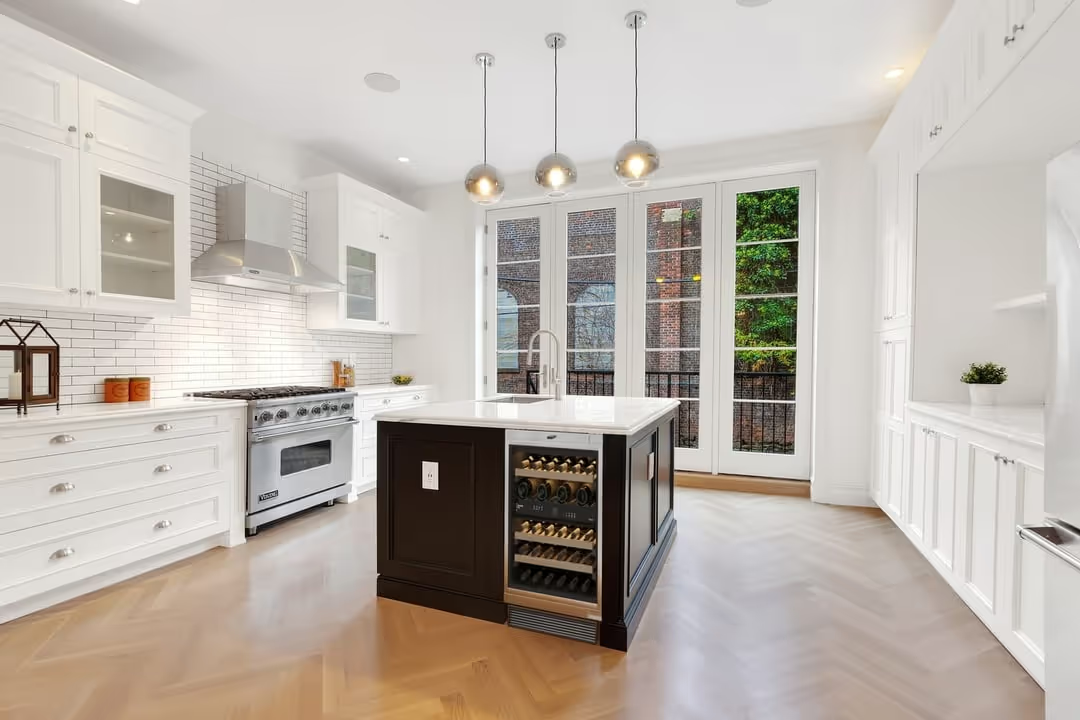
With exclusive access to premium materials and the latest in innovative construction techniques, we ensure that every project reflects our clients’ desired level of luxe. Our expertise lies in meticulously preserving and enhancing the distinctive architectural details that define Park Slope’s iconic styles. Whether restoring historic crown moldings or incorporating custom, state-of-the-art fixtures, we elevate each space with an unparalleled attention to detail, creating an atmosphere of timeless luxury.

Extensive Planning To Avoid Unexpected Costs/Delays
With a full-service team of design and construction professionals experienced in the complexities of luxury Park Slope renovations, design-build firms make change orders and mid-project budget adjustments much less likely. We specialize in large-scale full home renovations and complex projects, ensuring minimal disruption along the way.
The Park Slope Luxury Apartment Renovation Process: What to Expect
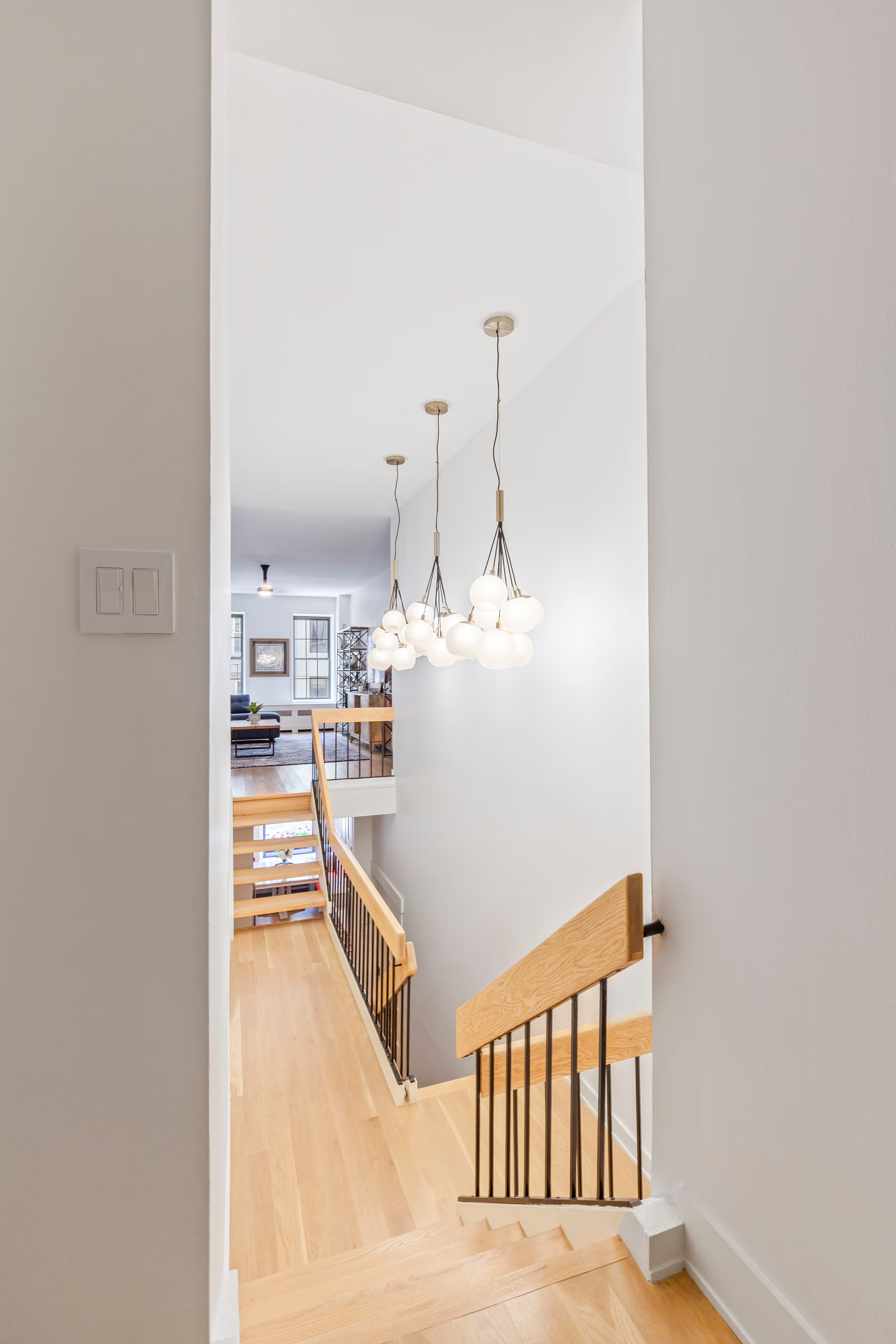
The full process for any significant Park Slope renovation can be intricate, but don’t let that deter you from manifesting your dream home. By partnering with a full-service design-build general contractor that manages every detail from start to finish, you can significantly reduce your personal workload while ensuring your design goals are met. Learn more about our entire renovation process below.
.avif)
Our Process: Initial Consultation and Project Scoping
Renovating an apartment in Park Slope requires a strategic approach from the beginning, achieved by understanding the client's unique vision and financial parameters. This foundational understanding sets the stage for a comprehensive collaboration, where we work closely with clients to explore the practical possibilities of their renovation project, aiming for a mutually beneficial partnership.
- Phase 1 - Intro Phone Call: Before signing any contracts, our team will discuss your renovation goals and budget for your NYC apartment.
- Phase 2 - Site Meeting: Following the initial consultation, we visit the site to evaluate the potential project with you.
- Phase 3 - Concept Design And Project Budget: If the project is feasible, our design team and architect will provide an initial concept design, which will guide the projected budget and timeline in our formal proposal.
If the design strategy and proposal are approved, we proceed with the pre-construction and interior design process.
Our Process: Pre-Construction & Planning
Before any work begins, our project managers survey the site and develop timelines for your NYC apartment renovation according to your goals, while all structural changes are reviewed by the architect and incorporated into an updated blueprint.
As the plans are developed and awaiting approval, our designers work with you to bring your design vision to life, coordinating material selections with our procurement team.

.avif)
Our Process: Lifelike 3D Renders
Once drawings are completed and design selection made, we design and review 2D and 3D lifelike renderings of your proposed luxury renovation, allowing us to review and approve of all material options and design plans before construction begins. Learn more about how our lifelike design renderings help clients visualize the interior design for their apartment renovation in Park Slope.
Our Process: Building & DOB Submission, Approval & Permits
We must formally submit plans to ensure compliance with building codes and energy codes. Renovations in NYC often require complicated approvals and permits. For co-op renovations, obtaining a tentative tax lot number from the Department of Finance is also necessary.
Our Process: Production Calendar & Logistics
Once all plans are approved and designs finalized, we establish the production calendar and begin the renovation process.
Our Process: Production
Renovating an apartment in NYC involves a detailed and complex production process. However, with proper planning and the proper type of Brooklyn general contractor, the execution can be smooth and efficient. Here are the components of our production process:
- Demolition Of Existing Structures
- Initial Inspections
- Framing & Rough Carpentry
- Electrical & Plumbing Work
- Delivery Of Finishes And Fixtures
- Finish Carpentry & Installation Of Finish Fixtures
- Final Inspections & Walk-Throughs
- Close Out Of Permits, Completion Letter, And Sign-Offs
Featured Park Slope & Brooklyn Renovations
While we have many Brooklyn renovations in our portfolio we’re proud of, these are a few of our favorites.
Brooklyn Brownstone Renovation | Park Slope
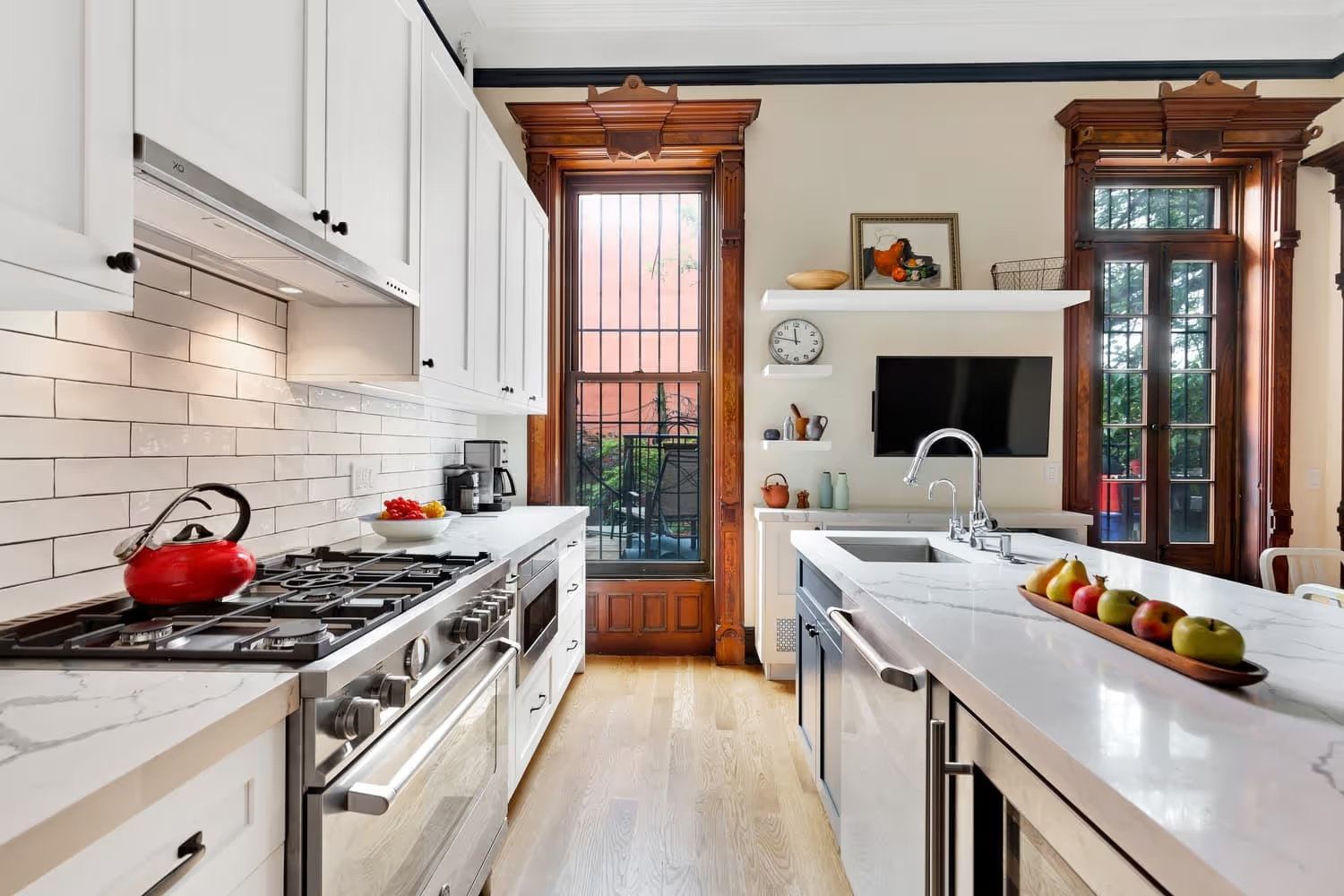
The owners of this Brooklyn brownstone hired Gallery KBNY for a transformative kitchen renovation. The client knew they wanted to pay homage to the traditional details of their historic home, drawing on our Brooklyn brownstone renovation expertise to retain the original character while imbuing the space with modern touches. View the full renovation before and after.
Brooklyn Brownstone Gut Renovation | Carroll Gardens
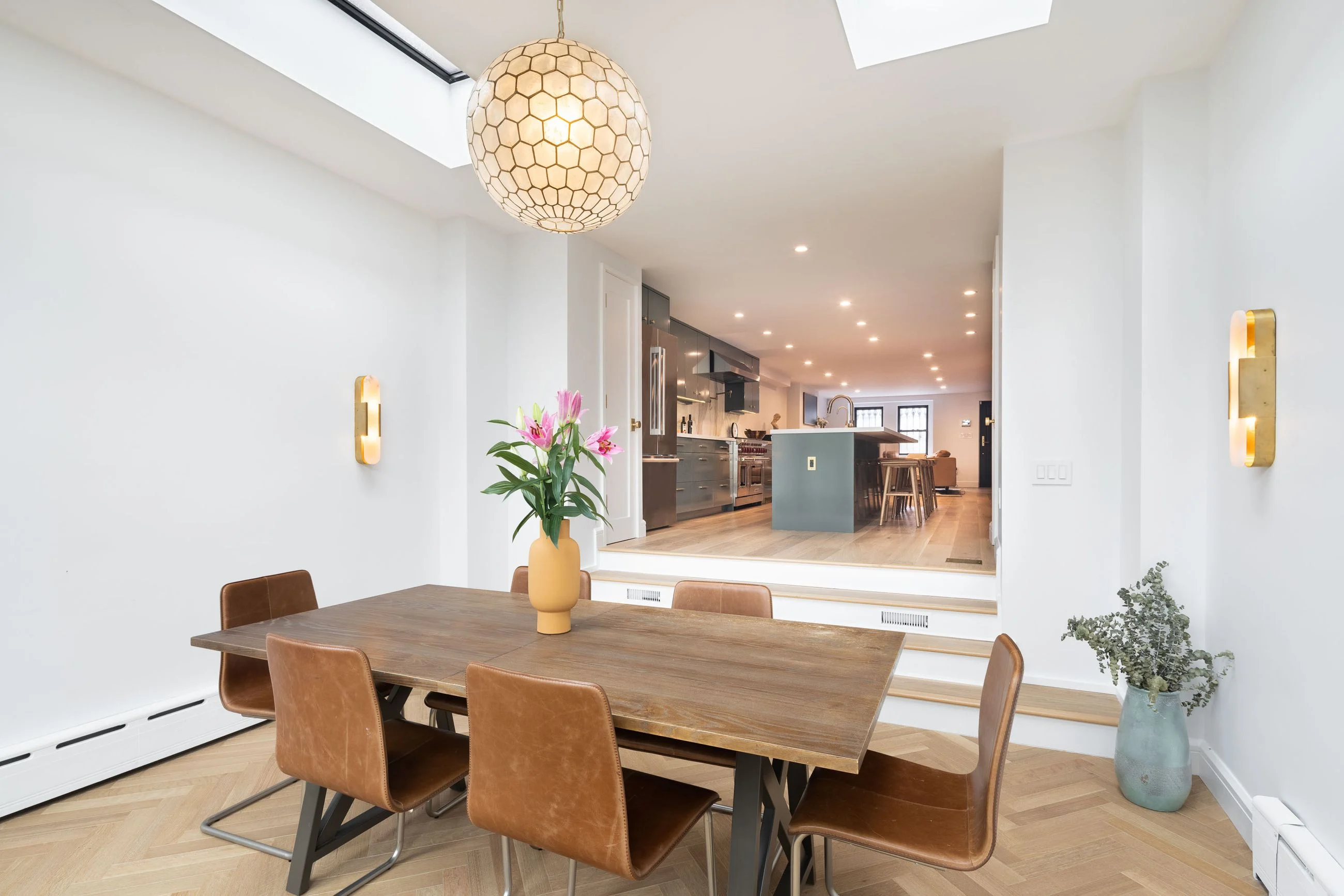
Brownstones as beautiful as those on President Street in Carroll Gardens rarely enter the market. When our client was able to purchase the landmarked beauty they grew up in, they not only jumped on the opportunity, they doubled down with a full gut brownstone renovation that reconfigured the space into a modern, more breathable home for raising their next generation. View the full renovation before and after.
Elevate Your Park Slope Home: Start Your Luxury Apartment Renovation
If you work with Gallery, you can rest easy knowing we plan, design, and execute all of our NYC renovations with client care front and center. To see why design-build is the best method for your NYC apartment renovation, explore more of our work, or contact us to see why our New York City apartment renovation and remodeling services are the most mindful choice when considering a residential renovation in Brooklyn or Manhattan.
let’s
Design-Build
together
.avif)