.avif)


.png)
.png)


Understanding The Impact Of Home Architectural Styles On Renovation Choices
Find out how NYC's architectural legacy guides renovation choices, creating homes that mix classic styles with modern charm.
April 4, 2026
|
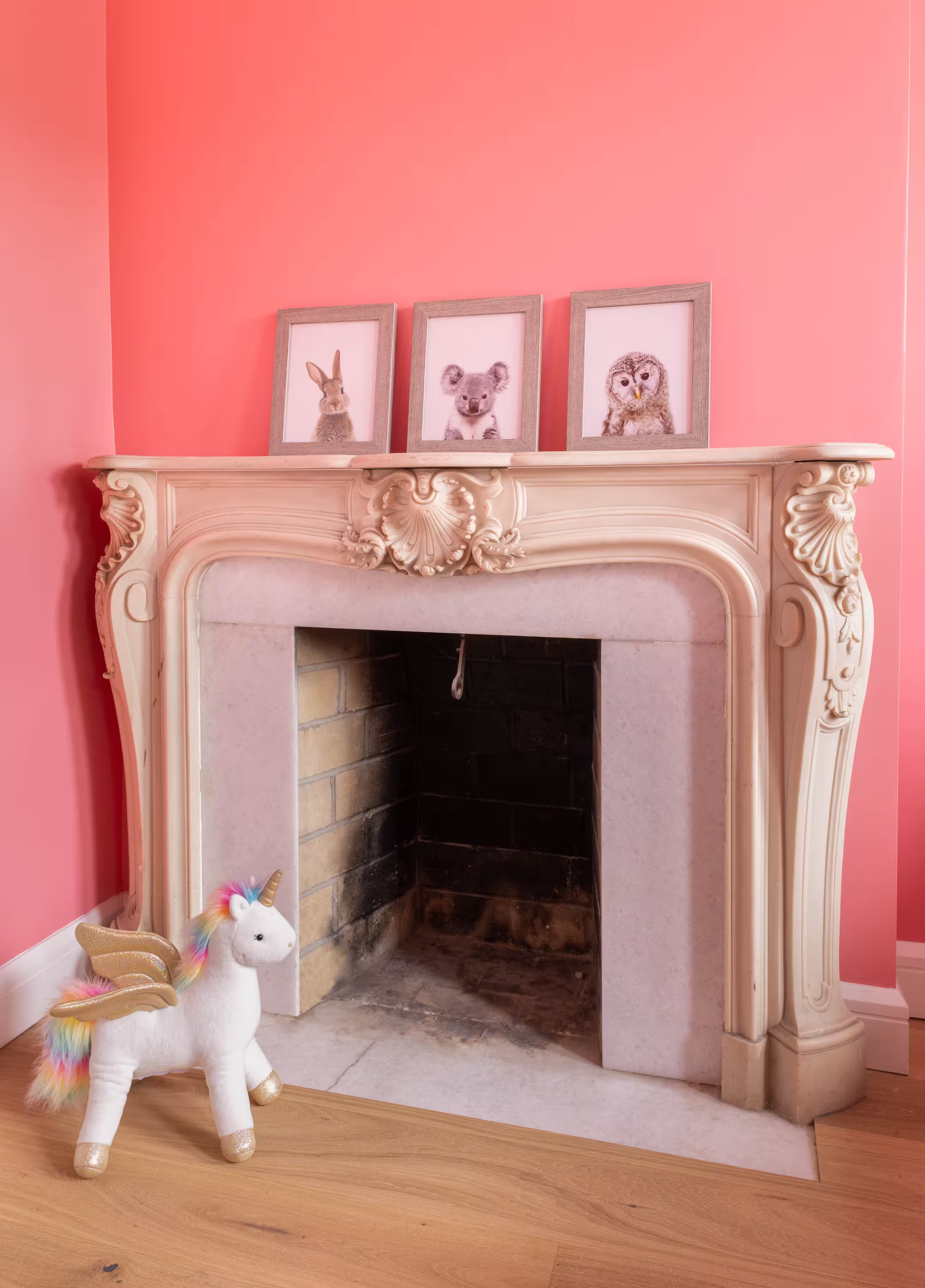
Understanding The Impact Of Home Architectural Styles On Renovation Choices
Explore how the architectural history of your building can influence both the expenses and the design aspects of your renovation project in NYC.
TABLE OF CONTENTS
- The Influence of Architectural Styles on Renovation
- Preserving Historical Integrity in Renovations
- Incorporating Modern Elements in Traditional Architecture
- Suggestions & Techniques for Authentic Restorations
- Case Studies Showcasing Architecture Style
- Frequently Asked Questions On Architectural Style And Renovation In NYC
New York City's residential building stock spans more than two centuries of distinct architectural periods, and each style carries design obligations that shape renovation decisions from the earliest planning stage. Brownstones, Beaux-Arts towers, Art Deco apartments, Gothic Revival townhouses, Italianate rowhouses, and Federal buildings are all governed by different structural logic, material vocabularies, and regulatory contexts. Understanding which category your property falls into is foundational to building a renovation scope that holds up under board review, LPC scrutiny, and the demands of long-term ownership.
When aiming for a renovation, it’s vital to understand these foundational design styles, along with their defining features, before diving into a full-on renovation plan.
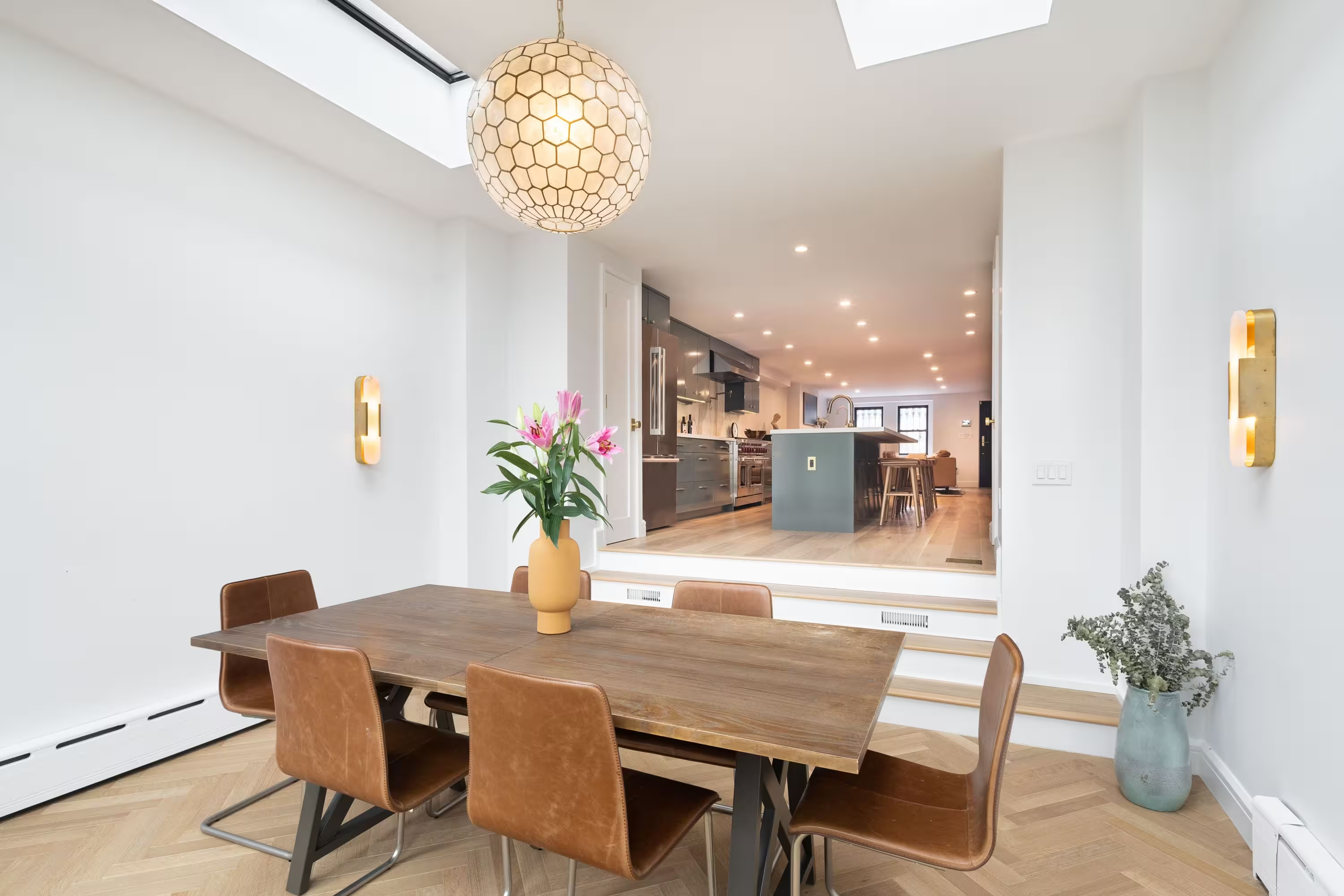
[#Styles]The Influence of Architectural Styles on Renovation[#Styles]
The six styles most frequently encountered in Manhattan and Brooklyn renovation projects each bring a distinct set of design obligations and regulatory considerations. What follows is a working overview of each, organized around the renovation decisions they most directly influence.
Brownstone
Nestled amidst neighborhoods like Park Slope or the Upper West Side, brownstones bring symmetrical brilliance to their streets, offering storybook looks and often literal landmark significance. Renovating a brownstone often requires a balance of preserving historic accents and pre-war details while accommodating modern living. Renovations often focus on restoring original features like ornate moldings and fireplaces, while updating interiors with contemporary amenities and personal preference.
Beaux-Arts
Beaux-Arts buildings are found in Tribeca, the Financial District, and the Upper East Side. Their defining interior features are high ceilings, elaborate ornamental plasterwork, marble flooring and wainscoting, and grand entry sequences designed to establish an architectural hierarchy from the moment of entry. Renovation at this tier requires a firm with demonstrable experience in traditional plasterwork and marble restoration, as these materials do not accept substitute finishes without losing their period character. Restoration scope for Beaux-Arts interiors should prioritize the repair of plaster profiles and ceiling coffers before any new work is introduced; the ornamental base defines what all subsequent design decisions are responding to.
Art Deco
Art Deco buildings are most prevalent in Midtown Manhattan, the Upper West Side, and Murray Hill. The style is defined by its geometric coherence: terrazzo floors, decorative metalwork, and a bold integration of color and pattern that extends from exterior to interior. Renovation priorities focus on preserving original terrazzo, sourcing period-appropriate brass and bronze hardware, and maintaining the geometric integrity of moldings and tile work. For Art Deco apartments, paint selection and material choices carry significant weight. The era's color palette operated with conviction, and contemporary renovations that default to neutral finishes tend to flatten the architectural character the building was designed around.
Gothic Revival
Gothic Revival buildings are found in Greenwich Village, the Upper East Side, and Downtown Brooklyn. The style is defined by pointed arches, stained glass panels, intricate carved wood mouldings, and building footprints that often run narrow by contemporary standards. Restoration work for Gothic Revival requires specialists in traditional woodworking and, in many cases, dedicated glassmaking relationships for stained glass repair or replication. Layout updates are commonly necessary in these buildings to address the narrow plan, but structural interventions require careful coordination with the building's historic envelope. Pre-construction lead times for Gothic Revival work are longer than most other styles, given the specialist subcontractor availability for tracery and glass work.
Italianate
Italianate townhouses are concentrated in Brooklyn Heights, the West Village, and Harlem. Their defining exterior and interior features are bracketed cornices, elaborate window surrounds, and bay windows with correspondingly rich interior millwork. Restoration scope for Italianate buildings centers on cornice repair and profile matching, which often requires custom fabrication when original profiles are damaged or missing. Interior renovation in Italianate townhouses tends to involve a balance between restoring decorative facade and entry elements and updating the floor plan for open-concept living, which can require careful structural assessment.
Federal
Federal-style buildings are less prevalent than the styles above but are present in Brooklyn Heights, Cobble Hill, and Lower Manhattan. The style is characterized by symmetrical facades, brick exteriors, elliptical fanlights, and a restrained interior vocabulary of refined moldings and graceful proportions. Renovation priorities focus on plaster cornice repair, hardwood floor refinishing, and the recreation of period-appropriate color schemes. Federal interiors accept modern amenities more discreetly than more ornate styles, given their preference for understatement, but the restraint of the style requires precision in the proportioning of any new elements introduced.
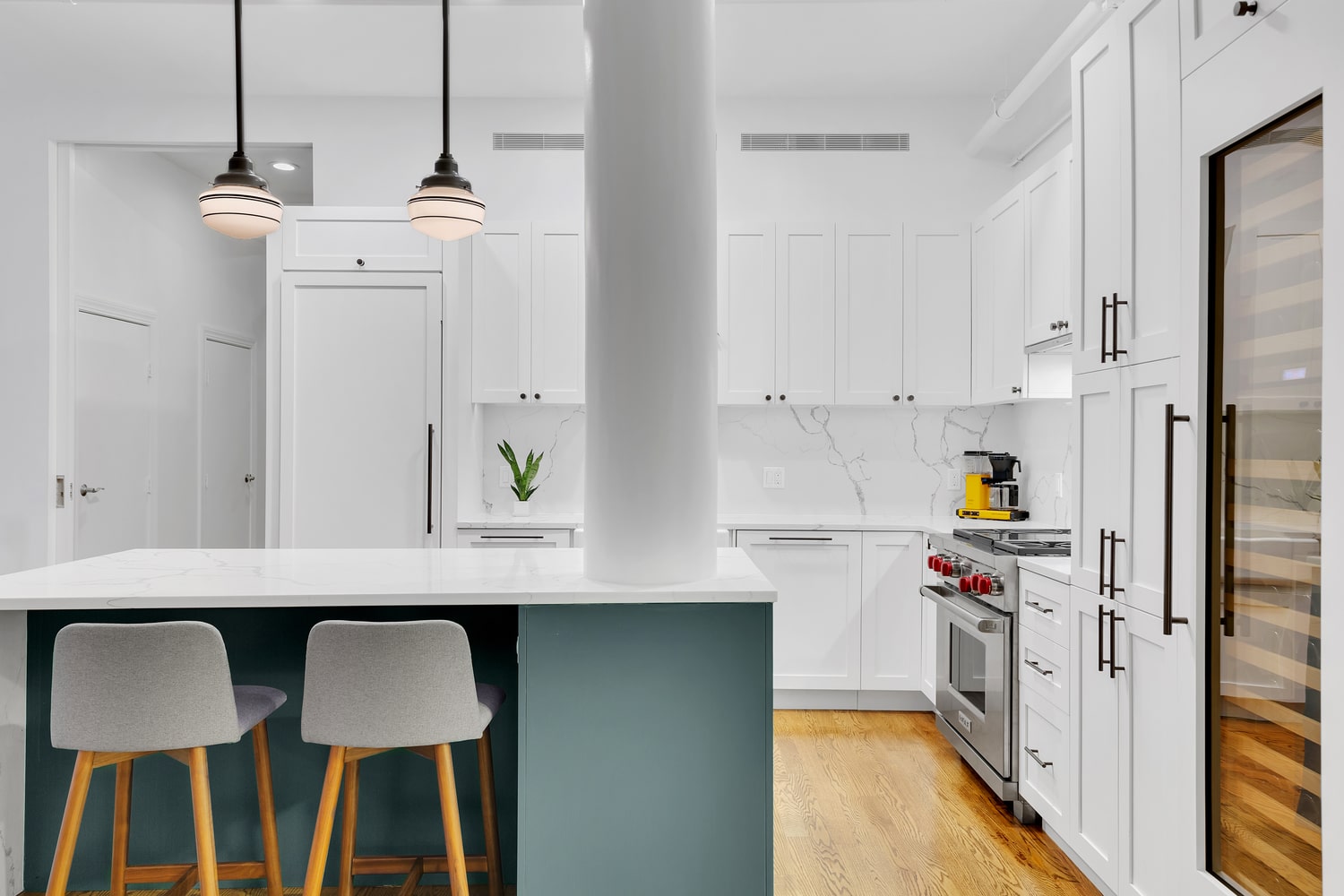
[#Integrity]Preserving Historical Integrity in Renovations[#Integrity]
Preserving the historical integrity of these renowned architectural styles amidst a renovation allows homeowners to embrace and accentuate the NYC-centric history of their homes. Let's explore the significance of maintaining original character and the value of preservation.
Emphasizing Original Character
The original material fabric of a building is the primary source of its residential value in the NYC market, and the case for preservation extends well beyond aesthetics. Every authentic element that survives a renovation cycle adds specificity and legibility to a property that cannot be replicated after the fact. Ornate moldings, period ironwork, original tile, and decorative plasterwork are the forensic record of a building's design intent. Skilled restoration makes those elements more present without competing with contemporary updates.
ROI And Market Position
Properties with well-maintained and accurately restored historical features consistently command premium pricing in the Manhattan and Brooklyn co-op and townhouse markets. The ceiling for a pre-war apartment that has been renovated to preserve and restore original architectural elements is measurably higher than for equivalent square footage where those elements have been removed or covered. Gallery KBNY has been recognized by Forbes, The New York Times, Architectural Digest, and Inc. for work that navigates this balance across the full range of pre-war property types. The renovation investment required to restore architectural fabric pays returns in both market position and the long-term durability of the finished space.
.avif)
[#Modern]Incorporating Modern Elements in Traditional Architecture[#Modern]
As the needs of homeowners evolves, the marriage of modern design with traditional architecture styles presents a challenge for those in the market to renovate. While such detail offers ageless appeal, the integration of contemporary elements is a must in today’s mile-a-minute way of life. To bring new efficiencies into timeless spaces, let's dig into strategies for seamlessly preserving historical character and embracing modern functionality within New York City renovations.
Utilize Contrasting Materials
Pairing contemporary materials against a building's original fabric produces clarity rather than confusion when the contrast is deliberate. Steel, glass, and polished concrete read clearly as additions when placed against weathered brick, ornate woodwork, or period plaster, and that legibility is a design asset. The LPC framework reinforces this principle at a regulatory level: alterations to landmark-adjacent buildings are evaluated in part on their reversibility, which favors contemporary materials that do not attempt to mimic original fabric.
Integrate Modern Amenities Discreetly
Updated mechanical, electrical, and smart-home infrastructure should be routed to become invisible within historic building envelopes. The operating standard for pre-war buildings is that all modern additions remain reversible without compromising original material. In-ceiling audio, recessed lighting within restored plaster ceilings, and radiant heat beneath refinished period hardwood are all achievable within this framework when they are planned from the start of the renovation scope. For more ideas, read Renovations & Technology: 10 Smart Home Remodeling Ideas.
Calibrated Juxtaposition
Contemporary furnishings and finishes can occupy a historic room without competing with the building's architectural register. The envelope sets the period context; fixtures and furnishings can operate in a completely different register. This approach is well established in high-end Manhattan and Brooklyn renovation, where clients frequently want to bring a contemporary program into a pre-war shell without erasing the shell. The discipline required is restraint on the contemporary side, not dilution of the historic one.
Architectural Layering As A Design Position
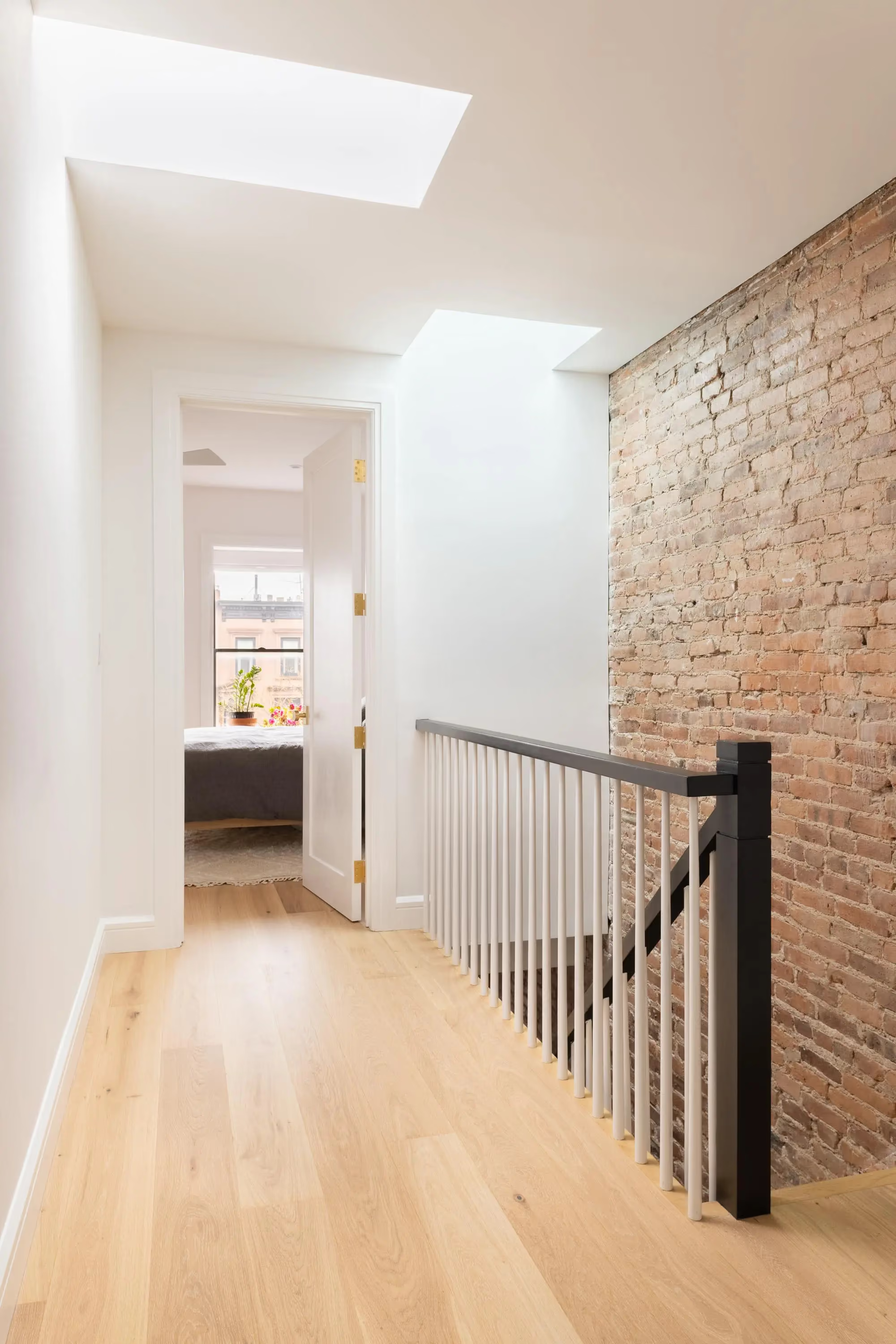
Buildings that span decades of modification carry an honest material history, and surfacing that layering often produces more resolved interiors than concealing it. Exposed brick revealed during demolition, original cast-iron columns within a renovated open plan, or original ceiling profiles framing contemporary lighting all reflect a coherent design position: the building's history is the design. This approach is increasingly common in the most architecturally significant pre-war renovation work in the city.
For more specific suggestions, read 10 Tips To Amplify Interior Architecture In Your NYC Renovation and Interior Design Trends For 2026.
.avif)
[#Tech]Restoration Techniques By Architectural Style[#Tech]
When it comes to restoring architectural styles amidst a NYC renovation, having a deep understanding of historical materials and construction techniques is crucial. By employing high-quality materials and refined techniques, you can ensure the elegance and character of each style shines within your home.
Brownstone Renovations
Brownstone interiors retain ornate moldings, hardwood floors, and decorative fireplaces as their primary architectural assets. Restoration scope typically includes refinishing woodwork, repairing plaster walls, and restoring vintage fixtures. When evaluating a renovation partner for brownstone work, the firm's experience in historic plaster profile matching is a direct indicator of capability. Ask specifically about their process for working with fragmentary originals where profiles are damaged.
Beaux-Arts Renovations
Beaux-Arts interiors require restoration of grand-scale ornamental plaster, original marble finishes, and period decorative motifs. The work is technically demanding and requires a firm with direct experience replicating plasterwork from historic references. When evaluating a partner, ask about specific Beaux-Arts projects in their portfolio and their relationship with the plaster and masonry specialists who execute that scope.
Art Deco Renovations
Art Deco renovation priorities center on terrazzo floors, geometric molding profiles, and decorative metalwork. Hardware selection carries significant weight in these projects. Period-appropriate brass or bronze hardware sourced to specification sets the material register for the entire space; off-the-shelf substitutes read immediately as compromises in the context of authentic Art Deco detailing. The paint and color decisions should reference the era's own palette rather than contemporary neutral defaults.
Gothic Revival Renovations
Gothic Revival interiors exude a sense of grandeur, thanks to focal point features like arched doorways, intricate wood mouldings, and stained glass windows. Restoration may involve repairing wooden tracery, restoring original stained glass, and recreating period-appropriate furnishings. A renovation partner for Gothic Revival apartment renovations should be capable of traditional woodworking and glassmaking techniques to ensure accurate restoration.
Federal Renovations
Federal-style renovation work focuses on plaster molding repair, hardwood floor refinishing, and the recreation of period color schemes. Federal interiors are among the most forgiving for contemporary integration, given the style's inherent restraint, but that restraint requires precision: new elements must be proportioned to the building's own logic rather than imported from a contemporary defaults library.
[#Case]Case Studies Showcasing Architecture Style[#Case]
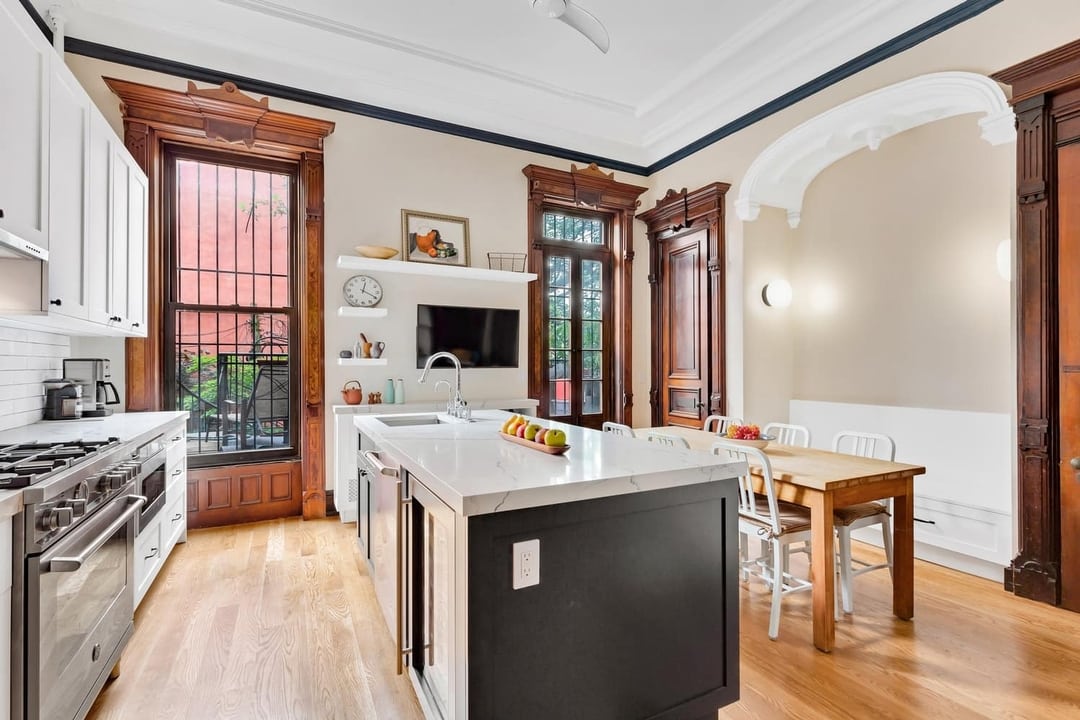
Brooklyn Brownstone Kitchen Renovation | Park Slope
The owners of this Park Slope brownstone engaged Gallery KBNY with a specific directive: retain the historic character of the building's original interior while introducing a fully functional contemporary kitchen. The project drew on the firm's brownstone renovation expertise to preserve original ceiling moldings, floor profiles, and the decorative fireplace surround in the adjacent parlor, while rebuilding the kitchen entirely with contemporary cabinetry, appliances, and stone. The result held the building's period register in the rooms where it had the most presence while delivering a kitchen that performed to the owners' current use requirements. View the full renovation before and after.

Manhattan Classic 8 Pre-War Apartment Renovation | 255 West 108th
This Upper West Side renovation centered on a Classic 8 pre-war apartment with significant Art Deco detailing. Gallery KBNY's scope included refinishing the original hardwood floors, restoring the ornamental plasterwork throughout the primary rooms, and sourcing vintage fixtures that read coherently with the building's period. The renovation preserved the apartment's architectural character as its primary design feature while updating all mechanical systems, the kitchen, and the bathrooms to contemporary standards. The architectural envelope set the terms for all subsequent design decisions, and the finished space retains the specificity the building was designed with. View the full renovation before and after.
Conclusion
Whether you’re buying a pre-war fixer-upper with intent to renovate or finally restoring your family home, renovating a dated property in New York City means you’ll be faced with design decisions based around the space’s unique architectural history. If you’ve got questions on how best to restore your space, contact Gallery today.
We are an award-winning design-build firm in New York City with a full-service approach to renovations in Manhattan and Brooklyn that includes everything from interior design and architecture services to filing permits and construction management. We’re experts in pre-war apartment renovations, apartment combinations, room creations, full gut renovations and all that falls in between. Let us bring your dream home to life.
[#faq]Frequently Asked Questions On Architectural Style And Renovation In NYC[#faq]
When is Landmarks Preservation Commission approval required for a renovation, and how early in the process should it be addressed?
LPC review is required whenever exterior work is proposed on a designated landmark building or a property within a designated Historic District, which includes most of the contexts where brownstones, Beaux-Arts buildings, and Federal-style townhouses are concentrated in Manhattan and Brooklyn. The practical implication is that LPC review should be factored into the project timeline from the initial scope conversation, not treated as a permitting step. For projects in landmark-sensitive contexts, LPC documentation and consultation typically begin during design development, before construction documents are finalized. Exterior modifications, including window replacement, facade repair, and rooftop additions, require LPC approval before any DOB filing can proceed. Projects that fail to build this into the schedule consistently absorb multi-month delays.
How does the cost premium for authentic historic restoration compare to more surface-level renovation in pre-war buildings?
The premium for authentic historic restoration relative to cosmetic renovation varies by style and scope, but runs between 15% and 45% above comparable square footage renovation costs for the styles most common in New York City. Beaux-Arts and Gothic Revival work sit at the higher end of that range, given the specialist labor required for ornamental plaster and stained glass. Brownstone and Art Deco work runs in the 15-30% range when scope is focused on restoration of primary architectural elements. The relevant comparison for ownership decision-making is not cost versus cosmetic renovation but cost versus the market premium that authentically restored pre-war properties command in the co-op and townhouse markets in Manhattan and Brooklyn, where that premium is well documented.
How do co-op alteration agreements interact with landmark restrictions for pre-war buildings?
Co-op alteration agreements and LPC requirements are distinct regulatory frameworks that apply simultaneously to many Manhattan pre-war renovation projects. The co-op's alteration agreement governs the process and documentation required for board approval, sets scope limitations around structural work, wet areas, and noise mitigation, and establishes insurance and contractor credentialing requirements. LPC requirements govern exterior modifications and apply regardless of what the co-op's agreement says. A renovation in a landmarked building requires both LPC approval for any exterior scope and co-op board approval for the full project. These submissions run on different timelines and require different documentation packages. Design-build firms with specific pre-war renovation experience typically manage both tracks concurrently rather than sequentially.
What is the realistic scope for introducing modern mechanical systems into a pre-war apartment without compromising architectural fabric?
Full mechanical system replacement in pre-war apartments is achievable without compromising original architectural fabric when the routing and installation are planned in detail before demolition begins. The key planning decisions involve HVAC distribution (typically mini-split or fan coil systems, which require less ductwork penetration than forced air), electrical panel upgrades through existing chase routes, and plumbing rerouting within building riser proximity. Modern mechanical scope in pre-war buildings regularly includes in-ceiling audio, smart home integration, radiant heat beneath refinished floors, and full electrical upgrades, all within restored plaster ceilings and original millwork. The constraint is planning sequencing rather than technical limitation.
How should buyers evaluate a pre-war co-op's renovation potential before purchase?
Pre-purchase renovation assessment is a structured service that evaluates a specific unit's renovation potential before the transaction closes. The assessment covers electrical capacity relative to proposed scope, plumbing constraints and riser proximity, HVAC feasibility, building alteration agreement limitations, LPC applicability, and structural considerations for any proposed layout modifications. For pre-war buildings specifically, the assessment should include an evaluation of the existing mechanical systems and their condition, since pre-war buildings often carry deferred mechanical maintenance that becomes renovation scope after purchase. Gallery KBNY offers pre-purchase renovation assessments as a standalone engagement. For buyers considering units with significant architectural character, having a renovation assessment as part of due diligence is the most reliable way to understand the real scope and cost before finalizing terms.
Does the architectural style of a building affect the renovation timeline, and by how much?
Architectural style has a material effect on renovation timeline, primarily through specialist subcontractor availability and pre-construction lead times for materials. Gothic Revival restoration requires the longest lead times of any style commonly renovated in New York City, typically 12 to 20 weeks of pre-construction coordination for specialist woodworking and glassmaking work. Beaux-Arts runs 10 to 16 weeks for ornamental plaster procurement and restoration planning. Brownstone and Italianate work typically require 8 to 12 weeks of pre-construction lead time. Art Deco and Federal styles, which are more accessible in terms of specialist availability, run 6 to 10 weeks. These lead times are in addition to standard permitting and board submission timelines and should be planned from the first scope conversation rather than discovered during construction.
let’s
Design-Build
together


%20Gallery%20KBNY.avif)